The network
Established in 2010.
ENEBA Foundation is the Education Network for Excellence in Basic and Advanced Digital Skills. We examine three domains, publish the research behind the standards, and keep a portion of each fee for community programmes. Our head office is in Fresno, California, with a network of offices in Bristol, Accra and George Town. Assessments are taken at your own computer.
The story, from the inside
- 2010–2013We begin as a consortium of educators, technologists, and civic organisations. Computing Literacy is the whole of the work: operating systems, files, basic networking, productivity tools, digital safety, and responsible conduct. Assessment is practical from the first cohort. The certificates are Foundation, Intermediate, and Practitioner, written to be portable across employers and further education. Charity starts in libraries, community centres, and adult education, for older adults, low-income households, and places with limited broadband. The research of these years measures the cost of digital exclusion and tests which teaching actually closes it.
- 2014–2017The question moves from “can you use a computer?” to “can you make sense of what it produces?” Data Sense becomes the second domain: data literacy, statistics for non-specialists, spreadsheet modelling, visualisation, the algorithms behind everyday decisions, and the ethics of collecting data about people. The levels are Data Foundations, Data Practitioner, and Data Analyst (Applied). We publish on how citizens read charts, and on the gap between school mathematics and workplace quantitative reasoning. Charity pathways open for young people who want data-related work without a university as the only door.
- 2018–2021Capable machine-learning systems force the third domain. AI Fluency is not a promise to make every citizen an engineer. It is a promise that people can see what these systems can and cannot do, spot limitation and bias, use them productively, and take part in the decisions that govern them. The certificates are AI Foundations, AI Practitioner, and AI Fluency (Advanced). Through the pandemic we accelerate remote delivery, so a closed building does not close the qualification. Research turns to the speed of adoption and to the new inequality between those with fluent access and those without. Charity expands into devices and connectivity.
- 2022–2026The three domains are one continuum. A learner may move from Computing Literacy into Data Sense and then into AI Fluency, or specialise. Certificates stay stackable, and a growing set of employers, professional bodies, and further-education institutions read them. Research becomes longitudinal: skill over years, the effectiveness of the certification model, and open findings on AI adoption. A portion of every fee funds free community programmes and open resources. We still put first the people facing structural barriers — rural communities, people with disabilities, refugees, older adults — and the educators who must update their practice at speed. We do not claim to have solved digital inequality. We claim a pathway from access, to capability, to a qualification, refined every year since 2010.
Research and field notes from these years
Officers
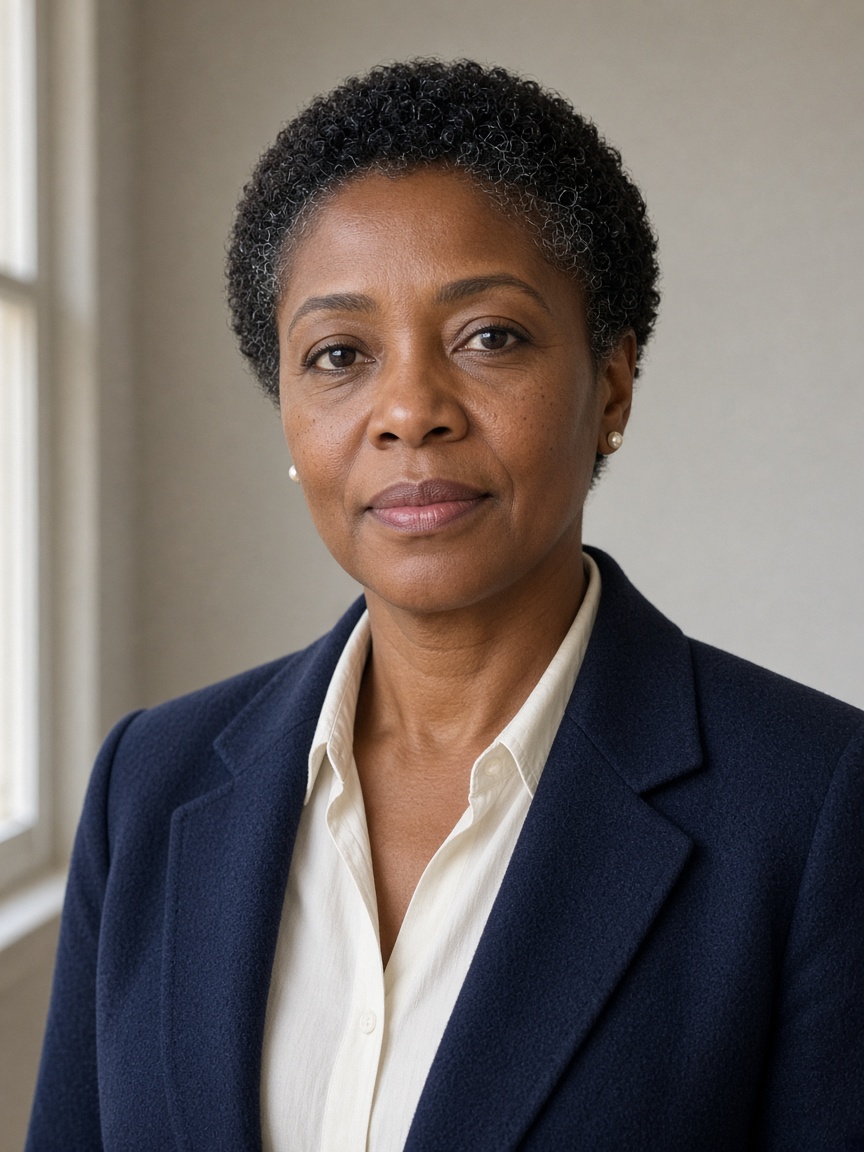
Dr Ife Adeyemi
Founding director
Convened the consortium in 2010, with educators, technologists, and civic organisations who were tired of computer skills being treated as optional. She still owns the Computing Literacy standards.

Tomasz Reeve
Co-founder, assessment
Came from further education, impatient with certificates that only proved attendance. He set the performance-based exam at the start: a computer, a task, and the points you score.
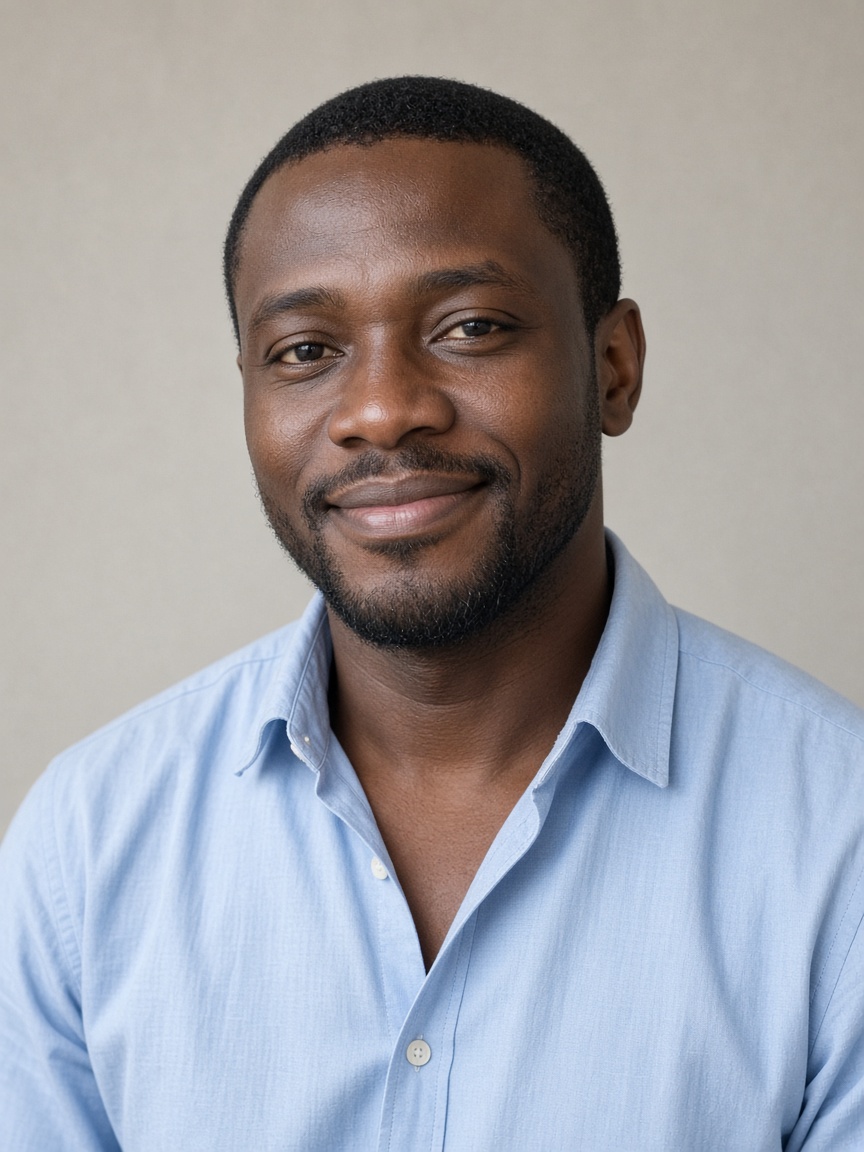
Kwesi Boateng
Community programmes
Leads community programmes and the Accra office: subsidised places, device support, and the same papers as the rest of the network.
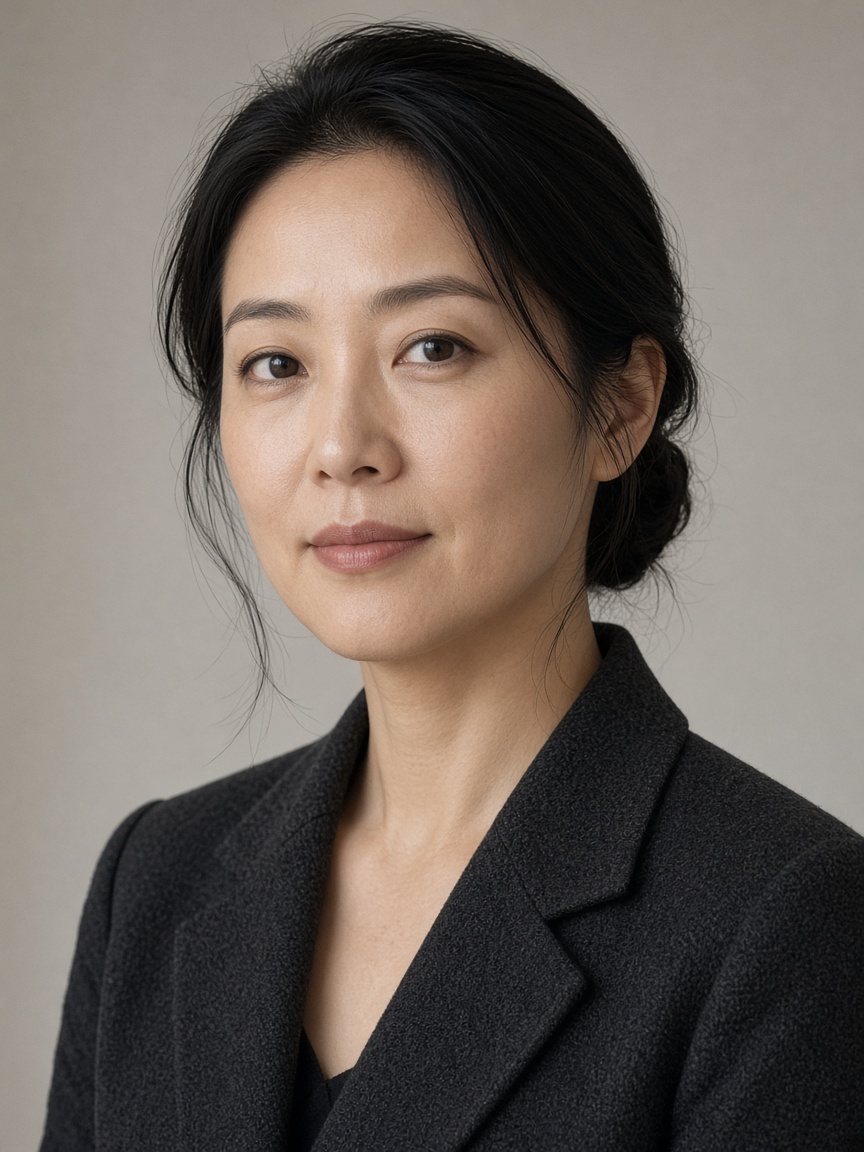
Mei Lin Cho
Educator network
A computing teacher who supports educators updating their practice, from the George Town office. You are examined on the same papers as the rest of the network.
 ENEBAFoundationDigital skills. Lasting opportunity.Enquire